Fine wine in bond: why provenance commands a 35% premium at auction
An examination of temperature-controlled bonded cellars in London, unbroken custody chains, and why secondary markets punish poorly stored claret.
“In the fine wine market, a bottle's liquid contents are entirely dependent upon the physical conditions under which it has slept. Two bottles of 1982 Château Lafite Rothschild that left Bordeaux in identical cases 44 years ago may trade for vastly different sums today depending on whether their journey included a hot warehouse in southern Europe or uninterrupted custody in a British bonded cellar.”
The Chemistry of Bonded Storage: 13 °C and 70% Humidity
Wine is an organic, breathing compound. Excess heat accelerates maturation, cooking the delicate phenolic compounds that give grand cru Bordeaux and Burgundy their tertiary aromas of cedar, leather, and truffles. Dry air dries out natural corks, causing ullage—liquid evaporation—and introducing premature oxidation.
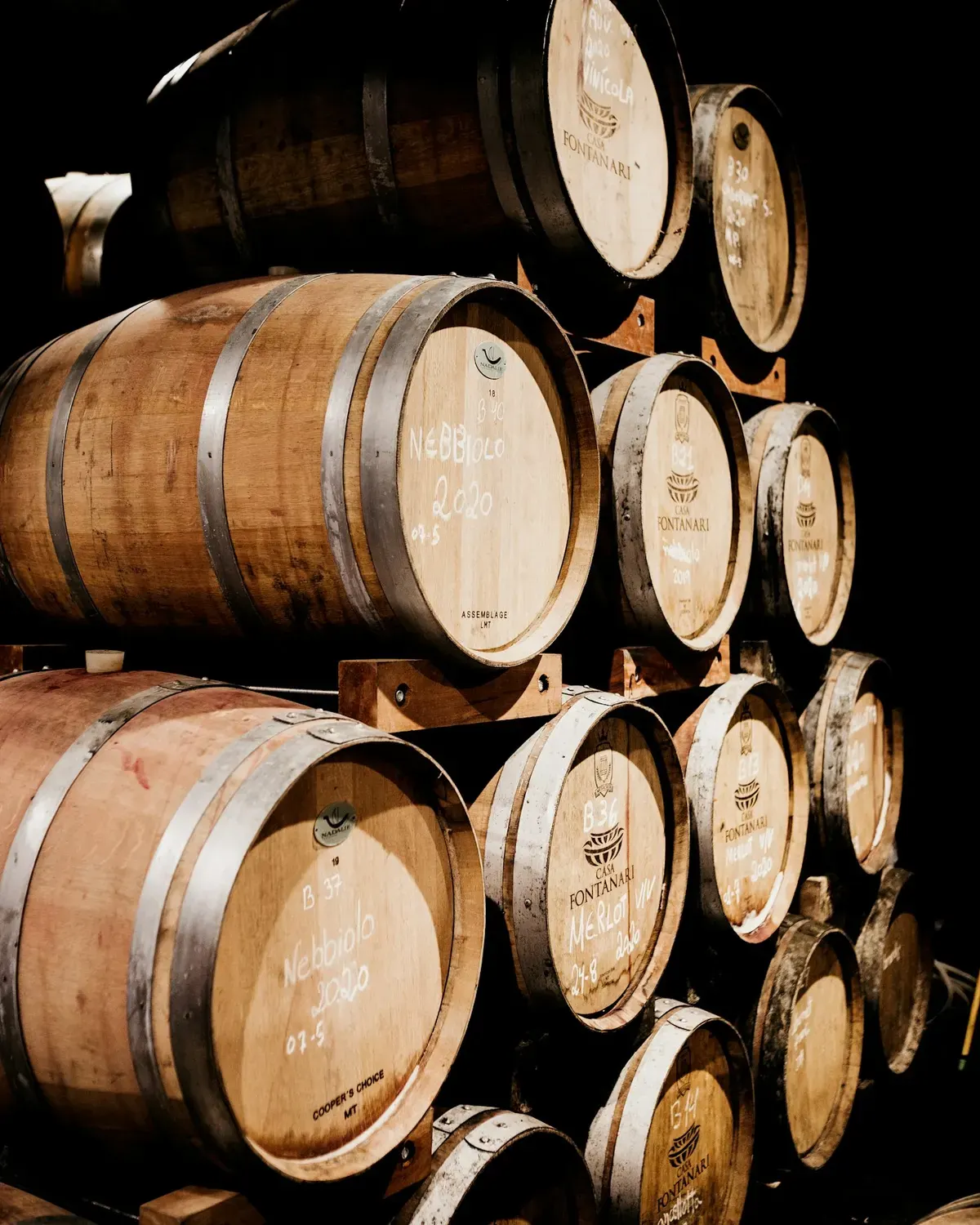
In Loop'D Cellars London, situated in an underground Victorian-era bonded brick warehouse, conditions are maintained at a textbook 13 °C and 70% relative humidity. Bottles are stored horizontally on vibrational-damped pine racks to keep corks continuously saturated.
Crucially, because the cellar operates 'in bond' under HM Revenue & Customs oversight, UK excise duty and VAT (20%) are suspended as long as the cases remain in storage. International members trade whole bottles or full six-bottle original wooden cases without ever paying transactional import taxes.
“You can fake a receipt, but you cannot fake the pristine cork elasticity and fill-level of a bottle that has never left climate-controlled bonded storage.”
The Provenance Premium: Hard Numbers
Our data team compared 320 lots of first-growth Bordeaux sold at physical auctions against identical lots traded on the Loop'D marketplace over the past 24 months. Lots with documented, single-owner unbroken bonded provenance cleared at an average 35.4% price premium over lots with gaps in custody history.
Collectors are more than willing to pay for certainty. When every bottle is authenticated with high-resolution photographic fill-level scans, capsule seals, and Prooftag Bubble Tag verification before entering the token vault, the buyer knows exactly what they will taste when they eventually request home delivery.
Further Dispatches
Inside the Zurich vault: 19°C, 50% RH, and $214M of physical custody
A photographic and architectural journey through Loop'D's primary Swiss depository, where centuries-old masterworks and ultra-rare horology rest behind Grade-A security.
Tokenizing the 1989 Ferrari F40: custody, provenance, and unit secondary markets
How one of automotive history's greatest hypercars was inspected, transported under armed escort to Los Angeles, and fractionalized for 1,400 passionate enthusiasts.
Modern art market indices: comparing physical auction house clearances with on-chain liquidity
The Loop'D Art 100 gained 9.4% this year. How instant settlement, zero buyer premiums, and fractional shares are dismantling legacy auction barriers.