Why sneaker prices stopped rising
The Loop'D Sneaker 50 slipped 2.8% over the past year. We examine how retail overproduction, foam degradation anxiety, and secondary liquidity shifts cooled the hype machine.
“For ten consecutive years between 2013 and 2023, the sneaker resale complex defied gravity. But in the trailing twelve months, the Loop'D Sneaker 50 index settled at 894.2 points—a 2.8% drawdown that signifies the end of indiscriminate speculation and the dawn of rigorous material curation.”
The Hydrolysis Horizon: Physical Aging in the Vault
Unlike fine wine or precious metals, deadstock footwear built with polyurethane midsoles carries an inherent biological expiration date. Collectors call it the 'hydrolysis horizon'—the inevitable process by which ambient moisture breaks down polymer chains in polyurethane soles, causing vintage runners and 1980s basketball silhouettes to crumble if not preserved in strictly regulated inert environments.
On Loop'D, all vaulted footwear in Wilmington and Hong Kong is stored at an exact 20 °C and 45% relative humidity with active desiccant cycling. Yet across the broader global marketplace, the realization that an unwearable sneaker kept in an ordinary bedroom closet is actively degrading has fundamentally re-anchored valuations.
Retail brands also saturated secondary demand by re-releasing once-sacred colorways in massive quantities. When a brand restocks a silhouette three times in five years, the artificial scarcity that supported secondary multiples evaporates.
“When footwear is treated purely as a printed commodity, brand restocks destroy resale value. Only game-worn relics with photo-matched provenance hold true monetary hardness.”
The Flight to True Artifacts: Game-Worn & Prototype Sovereignty
While modern deadstock pairs drifted lower, a dramatic divergence occurred at the apex of the category. Game-worn, photo-matched player exclusives and verified pre-production sample pairs outperformed the wider index by over 24%.
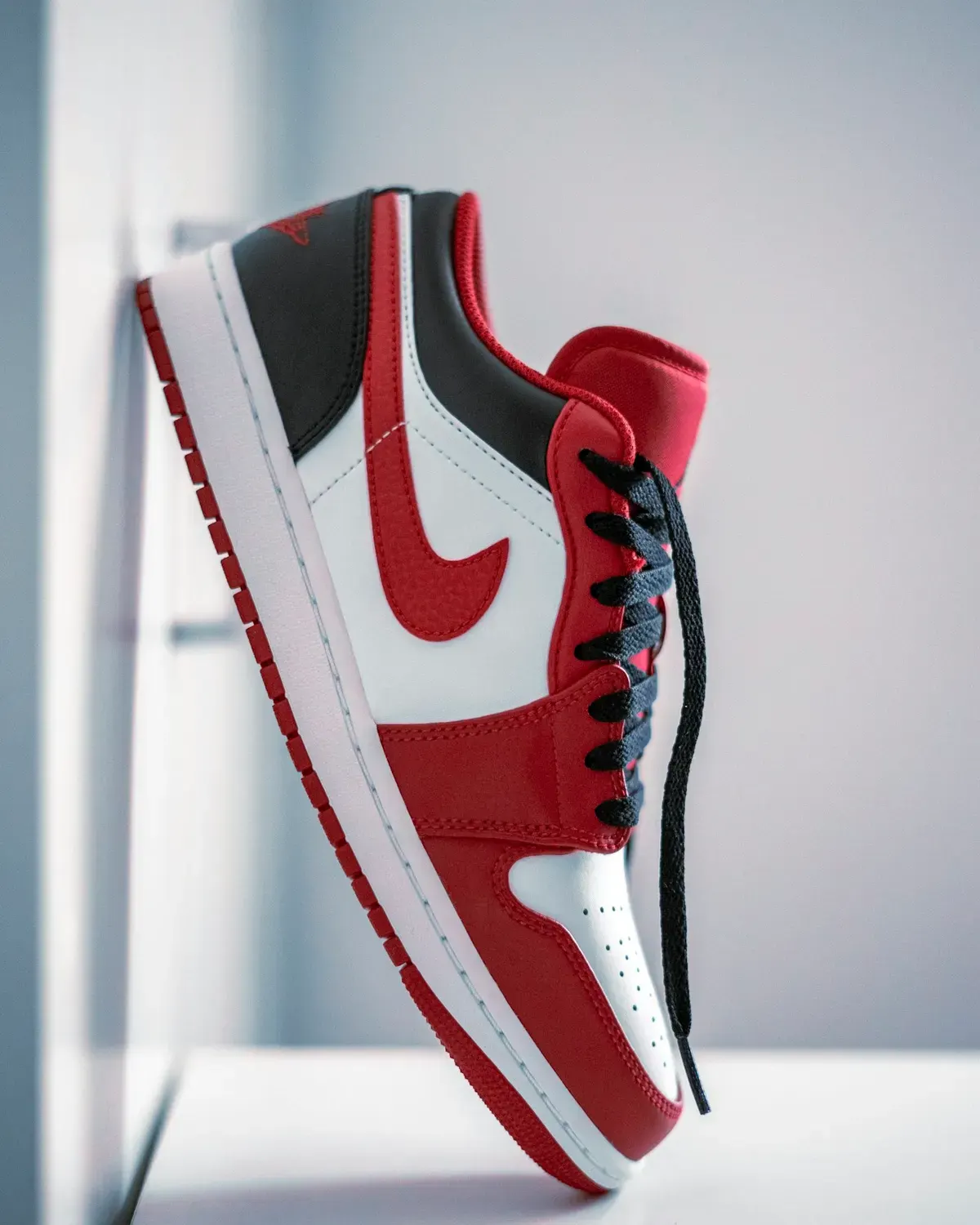
A 1985 Air Jordan 1 'Chicago' game-worn pair, verified by MEARS and photo-matched to regular season games, does not derive its value from aesthetic freshness; it derives its value from sports history and museum-grade scarcity. These items do not sit in shoeboxes—they are held in climate-controlled archival display cases under continuous CCTV and insured for seven figures.
Where the Floor Forms
The 2.8% pullback in the Sneaker 50 index is not a collapse; it is a structural normalization. The froth of suburban sneaker reselling has been cleared away, leaving an institutional secondary market focused on archival cultural heritage. For collectors holding verified holy grails in vaulted custody, the current consolidation offers the most disciplined buying window seen since 2019.
Further Dispatches
The vintage card market added 18% in a year — where it came from
A granular forensic analysis of the Loop'D Card 100 index, tier-one PSA 10 premiums, and the decoupling of vintage grails from modern speculative print runs.
The anatomy of a mythic pull: provable odds and payout liability
What actually happens when a collector opens a grail mystery box? An unvarnished look at seed cryptography, smart contract mechanics, and pool liquidity math.
Fine wine in bond: why provenance commands a 35% premium at auction
An examination of temperature-controlled bonded cellars in London, unbroken custody chains, and why secondary markets punish poorly stored claret.